Panasonic PBX EOL: Business Communications Division
Panasonic PBX product line EOL and division shutdown announcements push existing users toward refresh; systems do not stop overnight, but long-term risk rises.
Panasonic announced it is winding down its business communications / IP PBX operations (EOL). The «eol» in the slug means end-of-life; existing equipment does not go silent overnight, but long-term software, spare parts, and manufacturer support risk increases. Official dates, regional scope, and partner notices should be taken from manufacturer communications — this summary is not a legal commitment or warranty text.
EOL news does not mean «the PBX dies tomorrow morning.» It means new sales and a long-term roadmap close; current installs may keep running until the support window ends, but growth, security patches, and spare card supply get harder. Similar exits were seen in the industry with NEC and Samsung OfficeServ lines.
How to plan migration after Panasonic PBX EOL?
A good migration is based on inventory and business requirements before brand loyalty. There is no single «right brand»; capacity, SIP compatibility, and operating model shape the short list.
Inventory and risk window
- Model, software / firmware, license keys
- Line type: analog, PRI, SIP trunk; concurrent calls
- Extension count, DECT / wireless, hotel or call queue modules
- Partner SLA, spare card stock, last security update date
Without this list, quote rounds inflate on the assumption of «same as the old system.» Branches still on hybrid lines (PRI plus new SIP) should define target architecture upfront.
Target architecture options
Three common paths: new on-premises IP PBX, cloud UCaaS, or a hybrid of both (critical extensions on-premises, others in the cloud). Choice depends on internet redundancy, recording / GDPR-style rules, CRM integration, and field technician access. If desk endpoints are refreshed, IP phone compatibility (SIP, PoE, provisioning) belongs in the same purchase order. Moving every legacy digital extension is not always economical; phased refresh is more realistic.
Parallel operation and number porting
For cutover with minimal downtime, plan a window where old and new PBXs run together. Number portability, re-recording IVR prompts, user training, and softphone rollout go on the schedule. Prefer a pilot group (e.g. IT plus one department) over a weekend «big bang» cut. Failed trunk or wrong dial plan should be reversible during business hours.
Procurement pitfalls
Buying «whatever is in stock» in EOL panic creates a second technical debt. Refurb units with unclear support, unlicensed software, and incompatible gateways cost more long term. Score manufacturer support duration, SIP trunk references, redundancy, and total cost of ownership (license + maintenance + lines) on the short list. Use a measurable requirements list instead of distributor pitch.
Summary: Panasonic PBX EOL does not mean existing systems will collapse immediately; it raises long-term support and growth risk. Inventory, support window, target architecture, and parallel migration timeline are four core steps. The lesson from similar manufacturer exits is not to defer forever and to start discovery early once official dates are clear.
Related Posts
Sangoma signs definitive deal to be acquired by BRC Group
On 28 September 2026 Sangoma announced a definitive agreement with BRC Group Holdings at about US$204 million enterprise value; closing is aimed for e...

Flexible Employee Benefits in Business: A Framework
Flexible benefits offer a selectable menu instead of a fixed package; they are bounded by HR policy and budget....
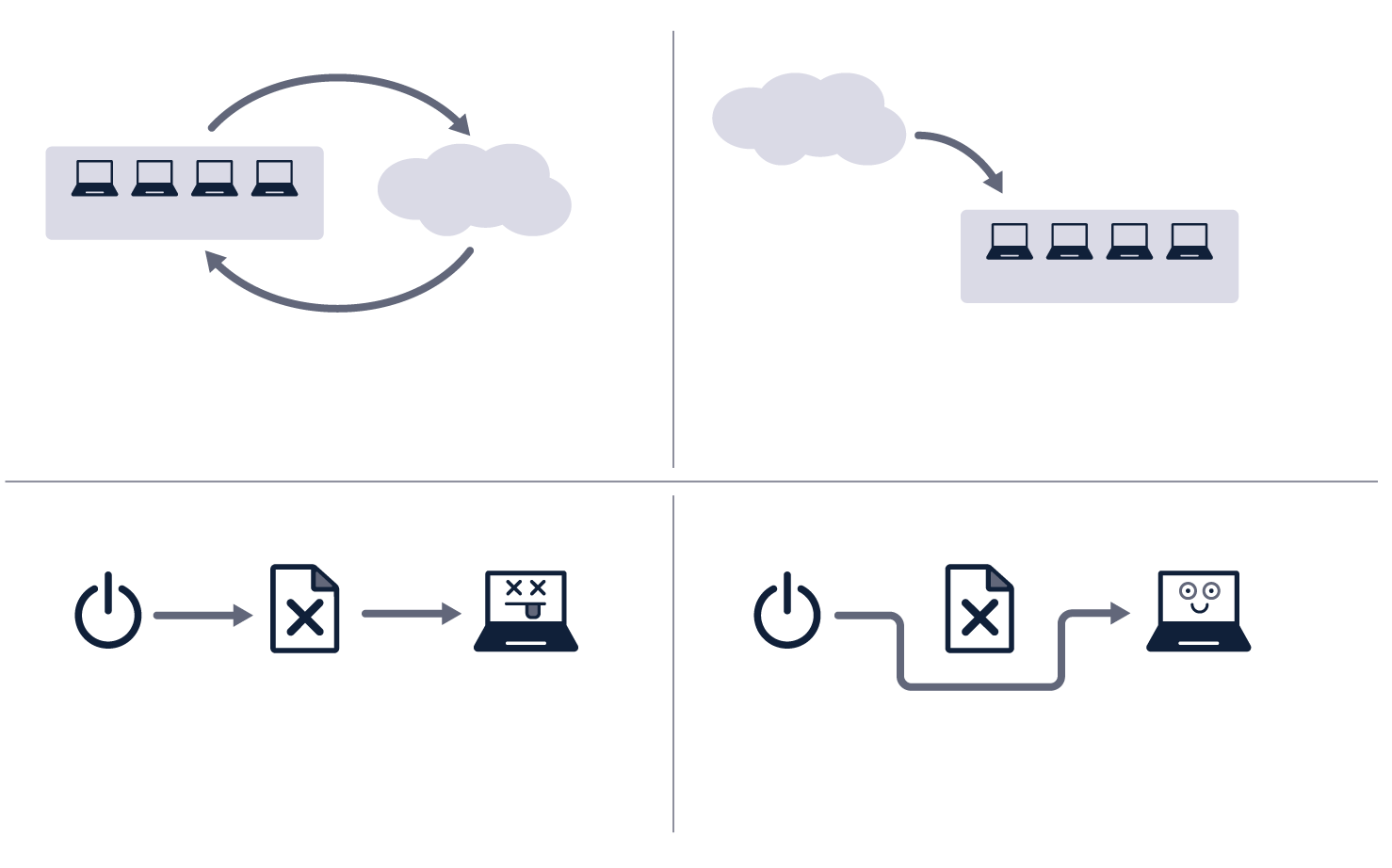
What We Know About the Global Microsoft Outage
A flaw in CrowdStrike's Windows update triggered a global IT outage. What we know: affected areas, technical cause, and recovery....